


The Giddy Bee
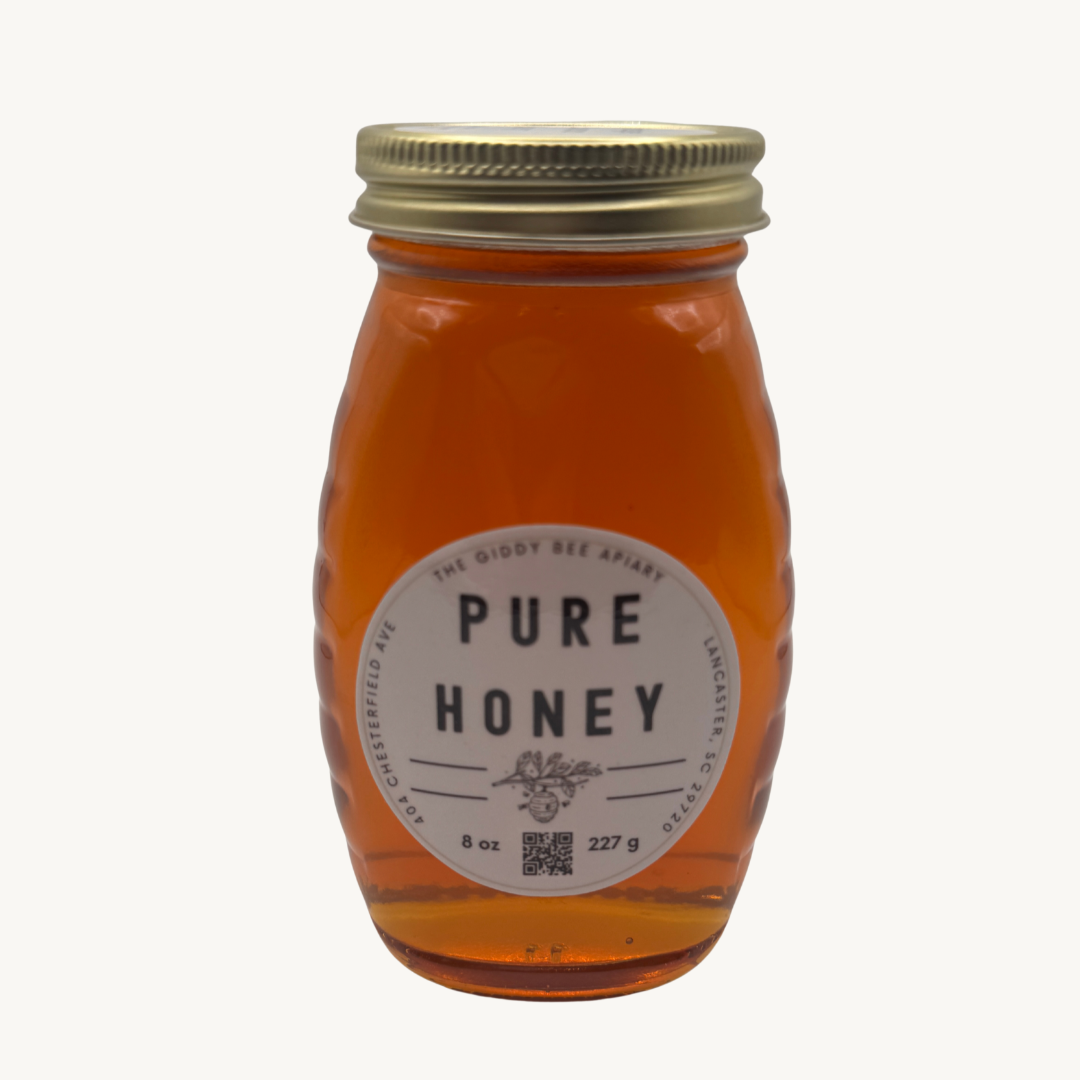
Raw Honey | Tupelo | Florida Panhandle
Raw Honey | Tupelo | Florida Panhandle
Couldn't load pickup availability
Raw Tupelo Honey
Silky, floral, and famously slow to crystallize — Tupelo is one of the South’s most prized varietal honeys.
Tupelo Honey is a distinctive Southern varietal produced when honeybees forage on the blossoms of the white tupelo tree (Nyssa ogeche), which grows in the river swamps and wetlands of the Florida Panhandle and surrounding Gulf Coast region.
The tupelo bloom is brief, the growing region is limited, and weather has to cooperate for bees to gather enough nectar to produce a true varietal harvest. That combination makes Tupelo Honey both highly seasonal and especially sought after.
Our Tupelo Honey is sourced through Blue Ridge Honey in Lakemont, Georgia, from apiaries producing Tupelo Honey in the Florida Panhandle region.
If you've only tasted everyday wildflower or clover honey, Tupelo is an excellent example of just how different a single floral source can make honey taste.
Flavor & Character
Tupelo Honey is known for a flavor that is:
-
Smooth and exceptionally silky
-
Floral and delicately fruity
-
Buttery with soft vanilla-like notes
-
Sweet without an overly sharp finish
-
Clean, balanced, and lingering
Its smooth texture and nuanced sweetness make Tupelo especially enjoyable straight from the spoon — and a favorite for honey tastings.
Because honey is a natural agricultural product, color, aroma, flavor, and texture may vary slightly from harvest to harvest.
What Makes Tupelo Honey Special?
Unlike wildflower honey, which reflects many nectar sources blooming at the same time, varietal honey is associated with a dominant floral source.
For Tupelo Honey, that source is the white tupelo tree.
White tupelo thrives in the wet river basins, swamps, and floodplain forests of a relatively small portion of the Southeast. When those trees bloom, beekeepers strategically position colonies near the nectar source to capture the short-lived flow.
That combination of specific flower + limited growing region + short seasonal bloom is a big part of what makes authentic Tupelo Honey so special.
Why Does Tupelo Honey Stay Liquid So Long?
One of Tupelo Honey's most unusual characteristics is its resistance to crystallization.
All real honey can eventually crystallize, but Tupelo Honey naturally contains a sugar profile that tends to keep it liquid much longer than many other varietals.
That naturally smooth, pourable texture is one of the reasons Tupelo has developed such a devoted following.
It doesn't mean something is wrong if your Tupelo eventually begins to crystallize. Crystallization is still a natural process — Tupelo simply tends to take its time getting there.
How to Use Tupelo Honey
Tupelo is one of those honeys we recommend tasting by itself before adding it to anything else.
Take a small spoonful and notice the aroma, texture, flavor, and finish first.
Then try it:
-
Drizzled over warm biscuits or cornbread
-
Spoonful by spoonful in a honey tasting flight
-
Paired with soft, creamy, or aged cheeses
-
Over yogurt, oatmeal, or granola
-
Drizzled over pancakes, waffles, or French toast
-
Paired with apples, pears, peaches, or berries
-
Stirred into tea
-
Added to a charcuterie or grazing board
Its distinctive flavor, smooth texture, and Southern story also make it an excellent choice for honey lovers, regional food gifts, hostess gifts, and anyone interested in exploring varietal honey.
Is Tupelo Honey the Same as Wildflower Honey?
No.
Wildflower honey is produced from a mixture of nectar sources available to bees during a particular harvest window.
Tupelo Honey is considered a varietal honey, meaning nectar from the tupelo bloom is the dominant source responsible for its characteristic flavor, aroma, and texture.
Both tell you something about where bees have been — just in different ways.
Wildflower honey gives you a broad snapshot of a landscape.
Tupelo gives you a closer look at one remarkable Southern bloom.
Does Tupelo Honey Crystallize?
Yes — but typically much more slowly than many other honeys.
Tupelo's natural sugar composition helps it remain liquid for an unusually long time, which is one of the characteristics for which this varietal is known.
If crystallization eventually occurs, the honey is still perfectly good to eat. Enjoy it as-is, stir it into a hot beverage, or gently warm the container in a bowl of warm water if you prefer a liquid texture.
About Raw Honey
Our raw honey is minimally processed and gently handled to preserve its natural flavor, aroma, and character.
Natural variation is expected. Your honey may differ slightly in color, clarity, flavor, or texture from one harvest to the next.
That isn't something we try to eliminate.
It's part of what makes real honey interesting.
Origin & Sourcing
Varietal: Tupelo Honey
Apiary Source: Blue Ridge Honey
Source Region: Florida Panhandle
Curated Through: Lakemont, Georgia
Region: Southeastern Gulf Coast
At The Giddy Bee, we curate honeys like Tupelo because tasting honey from different flowers and regions reveals just how diverse honey can be.
Local honey helps you taste your region. Curated honey helps you taste the world.
Taste One of the South's Most Celebrated Honeys
Tupelo isn't simply a different flavor of honey.
It's the result of a particular tree blooming in a particular landscape for a short window each year — creating a honey with a silky texture and flavor that's difficult to confuse with anything else once you've tasted it.
Whether you're building a honey tasting flight, looking for a unique Southern food gift, or ready to move beyond everyday honey, Tupelo deserves a place in the pantry.
Add Tupelo Honey to your collection and taste one of the Southeast's most distinctive varietal honeys.
Share


- 5 stars: 1 (100%)
- 4 stars: 0 (0%)
- 3 stars: 0 (0%)
- 2 stars: 0 (0%)
- 1 star: 0 (0%)
Great flavor, love this honey!